Electrolytes for Athletes: Sodium, Potassium and Magnesium Explained
Electrolyte drinks, tablets and powders fill the shelves of every sports store, each promising better performance and faster recovery. Electrolytes really do matter for active people, but how much you need depends on how long you train, how hot it is and how much you sweat. Here is a clear guide to what they do and how to get them right.
Short answer: electrolytes are minerals such as sodium, potassium, chloride, magnesium and calcium that control fluid balance, nerve signals and muscle contraction. Sodium is the one you lose most in sweat. For workouts under an hour, water and normal meals are usually enough. For longer or hotter sessions, add sodium through drinks, tablets or salty food.
The main electrolytes
Sodium
The most important electrolyte for athletes. It helps your body hold on to fluid and maintains blood volume. Sweat sodium varies a lot from person to person; if you see white salt marks on your clothes or cap, you are probably a salty sweater.
Potassium
Works with sodium to control fluid inside and outside cells and supports muscle and heart function. Lost in smaller amounts in sweat and easily replaced with food such as bananas, potatoes, beans, yogurt and leafy greens.
Chloride
Partners with sodium in fluid balance and is found wherever salt is.
Magnesium
Supports muscle relaxation, energy production and nerve function. Read more in magnesium in IV therapy.
Calcium
Essential for muscle contraction and bone health. Most comes from dairy, fortified plant drinks, tofu and leafy greens.
How much do you lose in sweat?
A rough way to estimate your sweat rate is to weigh yourself before and after a one-hour session without drinking. Each kilogram lost is about a litre of sweat. Many athletes lose somewhere between half a litre and two litres per hour, more in heat and humidity. A sports dietitian or sports medicine clinician can help you interpret the numbers.
When to use electrolytes
- Under 60 minutes, moderate conditions: water and normal meals are usually enough.
- 60 to 90 minutes or longer: add an electrolyte drink, tablets or salty snacks.
- Hot, humid days or heavy sweating: add sodium earlier and more consistently.
- After training: salty meals and fluids help you rehydrate efficiently.
Avoid drinking large volumes of plain water during long events. It can dilute blood sodium and cause hyponatremia. See IV drips before or after a marathon for more.
Food sources versus products
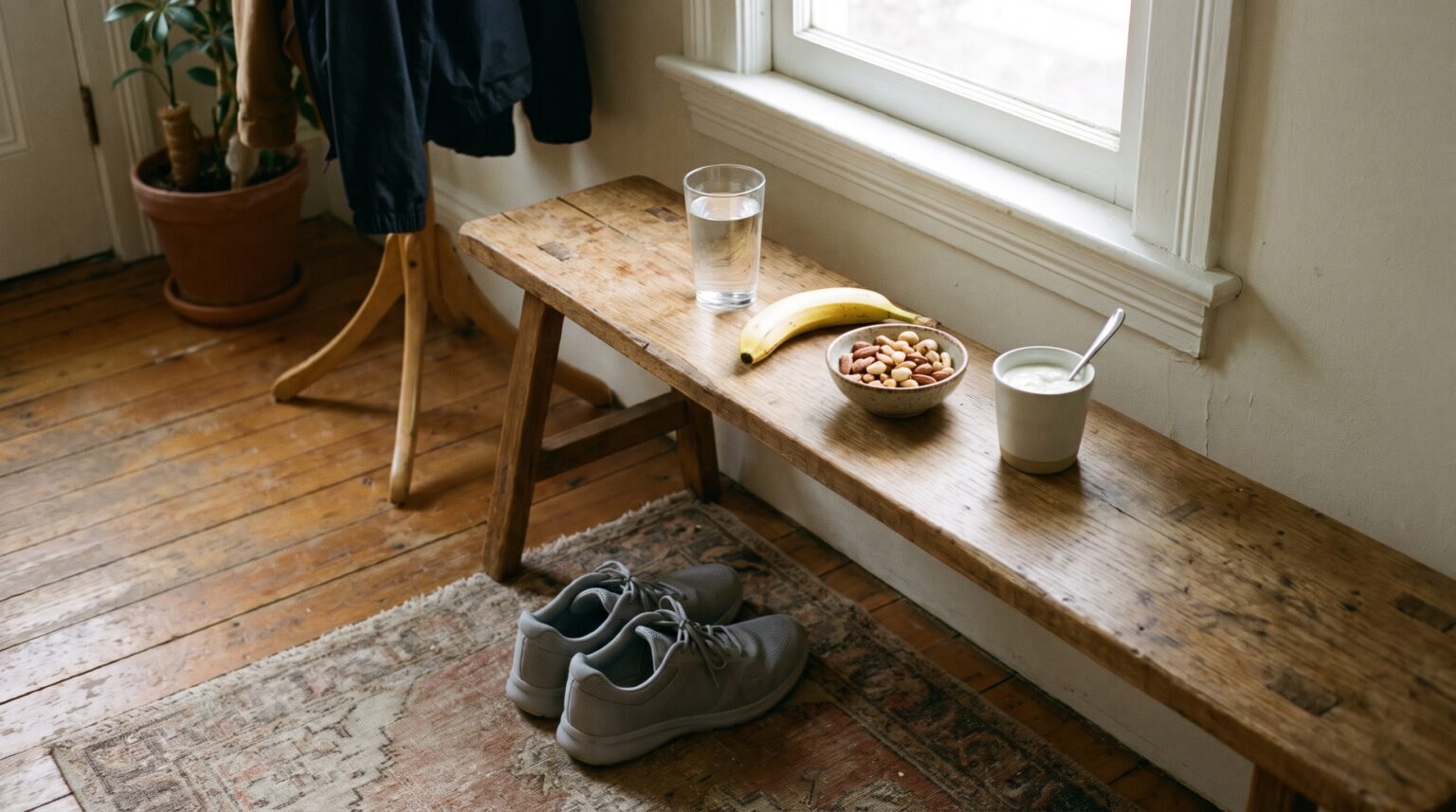
Real food provides most electrolytes: salted foods and broths for sodium; potatoes, bananas, beans and greens for potassium; nuts, seeds and whole grains for magnesium; dairy and fortified alternatives for calcium. Products are convenient during training, but check sugar content and avoid stacking several high-dose supplements at once.
Signs your electrolytes are off
- Muscle cramps or twitching (see muscle cramps during exercise)
- Headache, nausea or unusual fatigue
- Dizziness when standing
- Bloating and swelling of the hands during long events, which can signal low sodium
Confusion, vomiting, seizures or collapse are emergencies. Call 911.
Where an IV recovery drip fits
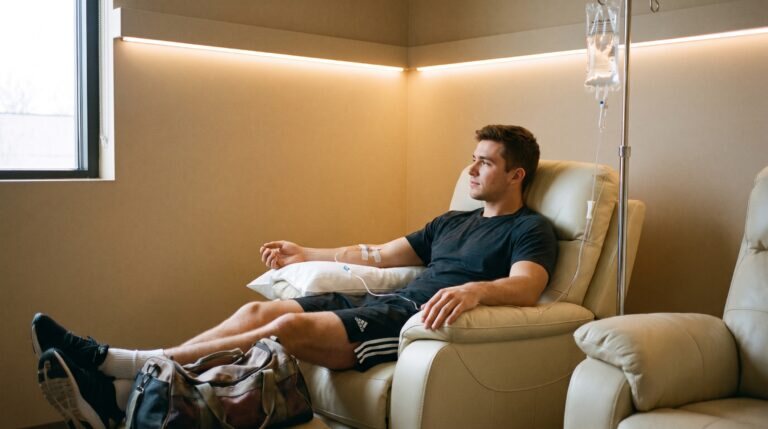
For healthy athletes who finish a hot tournament, ultra or heavy block feeling depleted and find it hard to catch up, an IV drip from our IV therapy menu can help replace fluid. Every first drip begins with a health screen that includes your training load and supplements, and a Nurse Practitioner places and monitors the IV. Tested athletes should first read IV infusion rules for tested athletes.
If you would like a personalized nutrition plan, our naturopathic doctor can review your diet, and our Nurse Practitioners can check blood work if you suspect a deficiency.
Working out your own sweat needs, step by step
Sweat rates vary widely between people, so a simple test is more useful than a general rule.
- Weigh yourself before training. Use the same scale, in minimal clothing, after using the washroom.
- Train for about an hour at your usual effort and in typical conditions.
- Track what you drink during the session, in millilitres.
- Weigh yourself again after towelling off.
- Do the math. Weight lost in kilograms plus the litres you drank gives a rough sweat rate per hour. A loss of 1 kg is about 1 litre of fluid.
- Repeat in different seasons. Summer sessions outdoors and winter sessions in a rink or gym can give very different results.
If you lose more than about 2 percent of your body weight in a session, plan to drink a little more next time. If you gain weight, you are drinking more than you need.
Who should be careful with electrolyte products
People who need advice first
- Anyone with high blood pressure who has been told to limit salt.
- People with kidney disease, who may need to limit potassium, magnesium or phosphorus.
- Those with heart failure or on fluid restrictions.
- People taking diuretics, ACE inhibitors or other medications that affect potassium.
Common mistakes
- Using sugary sports drinks during short, easy workouts where water is enough.
- Taking salt tablets without knowing your sweat losses.
- Drinking large volumes of plain water during long events, which can lower blood sodium.
- Assuming cramps always mean low electrolytes.
Questions to ask a clinician about electrolytes
- Based on my training and health history, do I need an electrolyte product at all?
- How much sodium per hour makes sense for my long sessions?
- Do any of my medications change my needs?
- Should I have blood work to check sodium, potassium or magnesium?
- When would a recovery drip be reasonable, and when is drinking enough?
What the research does not cover yet
Research supports replacing sodium during long, hot or very sweaty sessions, but the right amount still varies from person to person. Whether heavy sweaters need different targets in cold sports, how much magnesium is lost through sweat, and whether electrolyte supplements reduce cramps in most athletes are still debated. Studies of IV fluids in healthy athletes who can drink show little extra benefit for routine recovery.
Two situations where these questions come up often are hockey tournament weekends and summer heat. Athletes training in Woodbridge, Vaughan and Richmond Hill can review their hydration plan with our team alongside physiotherapy or massage.
Training hard and want to recover well? Learn about our IV drips in Woodbridge or call 905-207-7000 to book at AuraWell Health, 4600 Hwy 7, Unit 105, Woodbridge, ON L4L 4Y7.
Frequently asked questions
Do I need electrolytes for a 45-minute workout?
Usually not. Water and normal meals are enough for most sessions under an hour in moderate conditions.
Which electrolyte do athletes lose most?
Sodium. Salty sweaters may need more, especially in heat.
Can I drink too much water during exercise?
Yes. Large volumes of plain water during long events can lower blood sodium, which is dangerous.
Which IV drips does AuraWell offer?
Our IV menu: Hydration Reset, The Energy Edit, The Immunity Edit, The Glow Edit, The High C Edit, The Active Recovery Edit, The Daily Reset, The Vitamin Edit, Wellness Boost (the classic Myers'-style blend), The Nourish Edit and NAD+, each given after an assessment by a Nurse Practitioner. See our IV therapy menu.