
Primary Care
What to Look for in a Multidisciplinary Clinic
A great clinic coordinates every part of your care under one roof. Here is what sets the best apart.
Read articleEmsella is a non-invasive treatment for bladder leakage and pelvic floor weakness. You stay fully clothed and seated while focused electromagnetic energy stimulates thousands of deep pelvic floor contractions in a single session - rebuilding strength that Kegel exercises alone often cannot reach.
For our rehabilitation services, direct insurance billing may be available depending on your provider and plan. If direct billing is unavailable, we will provide the appropriate receipt to submit to your insurer.
The laugh you brace for. The trampoline you politely decline. The mental map of every washroom between home and anywhere. Stress and urge incontinence touch millions of Canadian women - and many men after prostate treatment - yet most people are offered nothing between pads and surgery. Emsella is the middle path: a non-surgical, fully clothed treatment for the pelvic floor itself.
You sit, dressed, on the Emsella chair while high-intensity focused electromagnetic technology - HIFEM, licensed by Health Canada for urinary incontinence - stimulates thousands of deep pelvic floor contractions in a single session of about twenty-eight minutes. It reaches muscle depth and repetition counts that voluntary exercises cannot approach, which is precisely why it helps people for whom Kegels never quite worked.
There are no needles, no probes, no undressing and no downtime; most patients describe a strong but painless tingling and drive themselves home after.
Emsella is considered for stress incontinence, urge symptoms, postpartum pelvic floor weakening, changes after menopause, and men following prostate procedures. A typical course is six sessions over about three weeks - an easy drive from anywhere in Vaughan, Richmond Hill or the northern GTA - with maintenance sessions as benefits establish.
Because AuraWell is a medical clinic, your course begins with a clinical consultation: confirming the diagnosis actually fits the treatment, screening for the situations where it should not be used, and - where relevant - connecting bladder symptoms to the menopause and hormonal care offered down the hall. A chair is a tool; the medicine is knowing when to use it.
The chair uses high-intensity focused electromagnetic technology, licensed by Health Canada for urinary incontinence, to trigger thousands of deep pelvic floor muscle contractions per session - strengthening the muscles that control the bladder at an intensity voluntary exercise cannot reach.
The standard course is six sessions, usually twice weekly over about three weeks, following the manufacturer's established protocol. Your clinician will discuss maintenance sessions based on how you respond.
Some patients report changes within the first sessions, with benefits typically consolidating over the weeks after a course; response varies individually. Periodic maintenance helps sustain results - discussed honestly, never auto-sold.
No needles, no probes, and you stay fully clothed. The sensation is a strong tingling with muscle contractions most people find odd for five minutes and unremarkable after. You return to your day immediately.
No - it is not OHIP-insured, and extended plans rarely cover it. Health Spending Accounts may apply. Unlike most GTA providers, we publish our session and course pricing rather than hiding it behind a consultation.
Candidates include women with stress, urge or mixed incontinence, postpartum and post-menopausal pelvic floor weakening, and men after prostate treatment. Pregnancy, certain implanted devices and metal in the treatment field rule it out - screened at your consultation.
Kegels rely on finding and exhausting the right muscles voluntarily; many people cannot. Emsella activates those muscles comprehensively and passively. Pelvic physiotherapy remains valuable and complementary - for many patients the combination outperforms either alone.
A great clinic coordinates every part of your care under one roof. Here is what sets the best apart.
Read article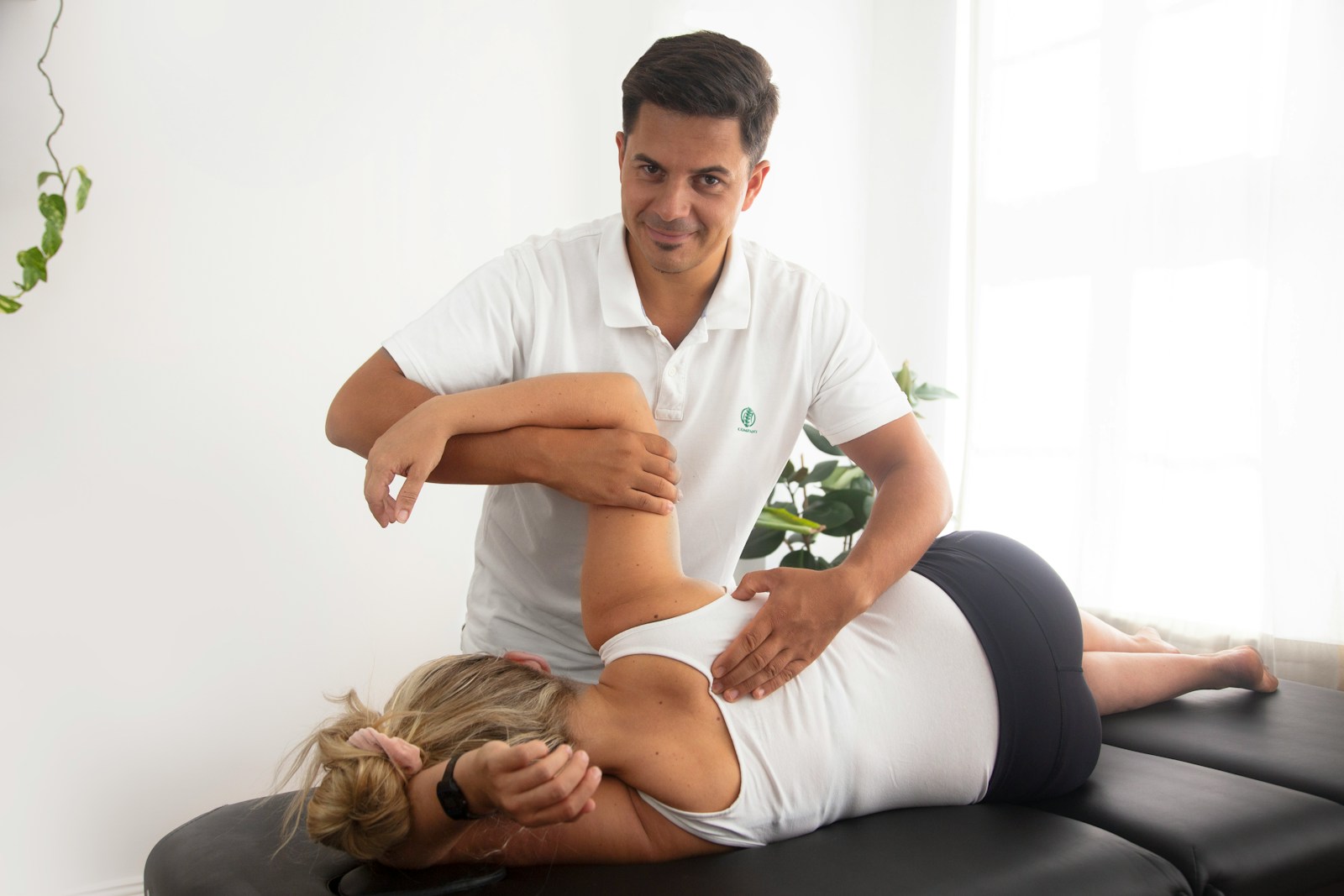
From sports injuries to post-surgical rehab, a structured physiotherapy plan can shorten recovery time and lower the risk of re-injury.
Read article
Skip the waiting room. Learn how a quick virtual visit can get your prescription sent straight to your pharmacy.
Read article