
How Physiotherapy Supports Injury Recovery
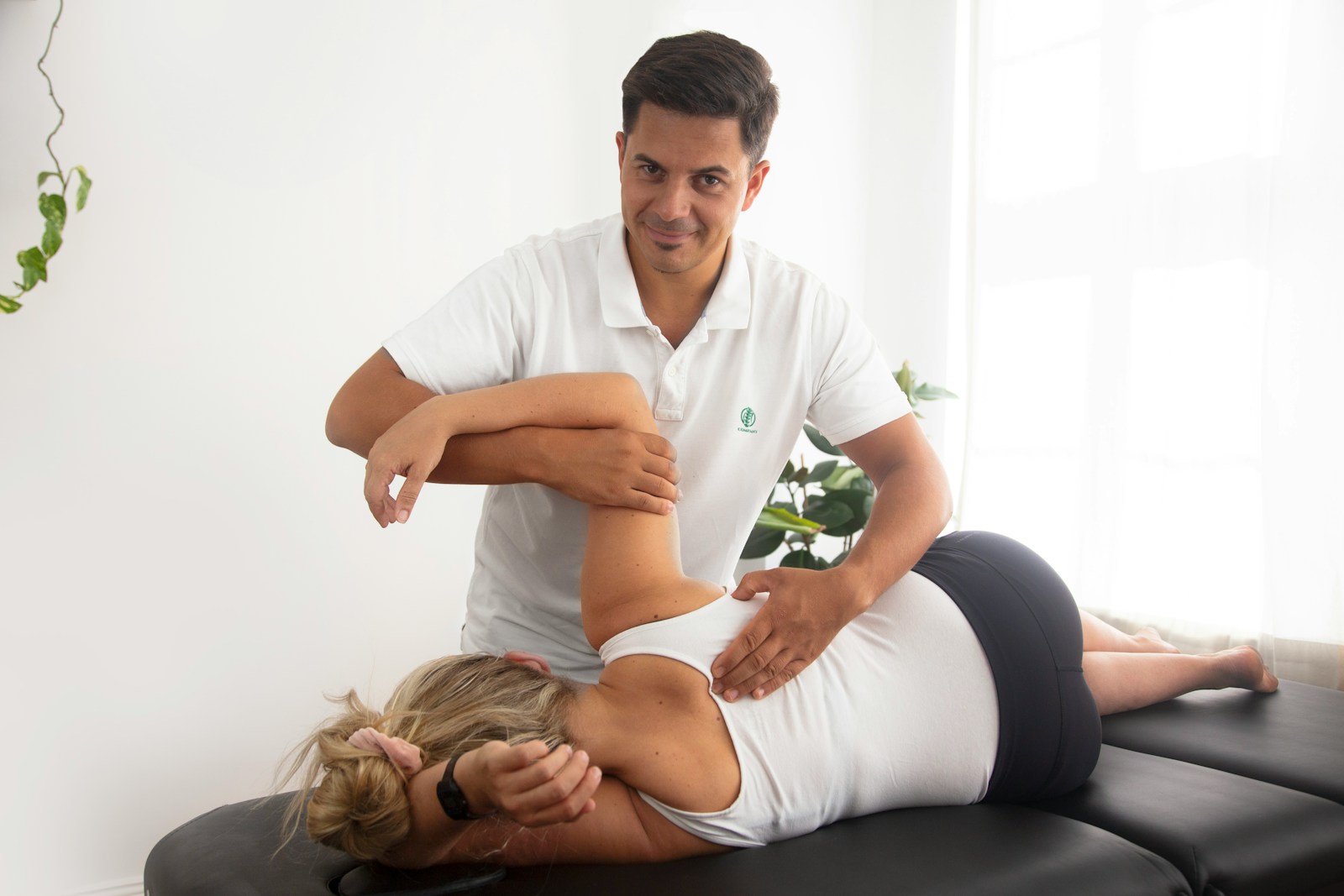
From sports injuries to post-surgical rehab, a structured physiotherapy plan can shorten recovery time and lower the risk of re-injury. That is an easy sentence to write and a harder one to trust when you are the one limping down the stairs. So it is worth walking through the mechanics: why guided movement helps tissue heal, what a well-built plan actually contains, and the phase of recovery most people quietly skip. What follows reflects what our physiotherapists see every week at our Woodbridge clinic near Highway 7 and Pine Valley, in patients ranging from weekend soccer players to post-operative knees and shoulders.
Why movement matters
After an injury, resting for too long can slow healing and weaken the surrounding muscles. Research consistently favours early, guided movement over prolonged rest for most musculoskeletal injuries: controlled loading tells healing tissue how strong it needs to become. A tendon that is never asked to carry anything rebuilds itself for a life on the couch, then complains the first time you ask it for more.
Guided physiotherapy restores strength and mobility safely, using hands-on therapy paired with targeted exercise. The word guided is doing real work in that sentence. Too little movement delays recovery, but too much, too early, can set it back by days or weeks. A physiotherapist’s job is to keep you inside the window where tissue adapts without being re-irritated, and then to widen that window visit by visit.
What healing tissue is actually doing
It helps to know what is happening under the skin. In the first days after an injury, inflammation arrives to clear damaged cells and begin repair. It is uncomfortable, but it is the opening act of healing, not the enemy. Over the following weeks the body lays down new collagen quickly and somewhat messily, like scaffolding thrown up in a hurry. Then comes the longest stage: remodelling, where those fibres are gradually reorganized along the lines of stress you place on them.
That last point is why physiotherapy works. The remodelling stage takes its instructions from load. Walk, squat, reach and carry in measured doses, and the new tissue organizes itself to handle walking, squatting, reaching and carrying. Timelines differ by tissue: muscle tends to recover faster, while tendon, ligament and bone ask for more patience, which is one reason two people with similar injuries can be on honestly different schedules.
What a plan looks like
Your physiotherapist assesses range of motion, strength, and pain, then builds a progressive plan. Sessions combine manual therapy, education, and exercises you can continue at home. Expect your plan to change as you do. A good program is re-tested and progressed every few visits, not photocopied week after week.
Progression is the quiet engine of recovery. The exercise that challenged you in week two should feel routine by week five, and if it still feels routine in week eight, something needs to change. Good plans also name an end point. You and your therapist should both be able to say what recovered looks like for you, whether that is a pain-free golf swing, a full shift on your feet, or lifting a grandchild without bracing for it.
Your first appointment, step by step
Many patients delay booking because they are not sure what happens in the room. The first visit is mostly conversation and assessment. Your physiotherapist will ask how the injury happened, what makes it better or worse, and what it is stopping you from doing. Then comes a movement assessment: watching you bend, squat, reach or walk, and testing strength and joint mobility by hand.
From there you get a working explanation of the problem in plain language, a first round of hands-on treatment in that same appointment, and two or three starter exercises before you leave. Wear clothing you can move in, bring your insurance card, and bring your questions. You do not need imaging first; in most cases an experienced clinician can begin safely without it and will refer on if anything warrants a closer look.
The three phases of recovery most people skip
Most injuries move through a protection phase, where pain and swelling are settled and safe movement begins; a restoration phase, where range of motion and baseline strength return; and a resilience phase, where the tissue is loaded beyond daily demands so the injury does not return the next time you play, lift or garden.
The third phase is the one people abandon, and the reason the same ankle keeps turning. Once pain fades, life crowds back in and the last month of strengthening quietly disappears. But pain-free is not the same as prepared. Finishing your plan is what separates recovered from merely no longer sore, and it is usually the shortest, most athletic and, frankly, most enjoyable part of the program.
The home program is half the treatment
An honest physiotherapist will tell you that what happens between appointments matters as much as what happens during them. A session or two each week creates the plan and progresses it; the daily ten minutes at your kitchen counter is where the adaptation happens. Small, consistent doses beat heroic weekends.
If a program feels impossible to keep, say so. Exercises can be swapped, shortened, or anchored to habits you already have: after the morning coffee, before the evening walk. A modest plan you actually do will beat a perfect plan you quietly abandon, every time it is tried.
When to book
If pain lasts more than a few days, limits daily activity, or follows a surgery, an early assessment helps you recover faster. Waiting a month with a torn muscle usually means retraining a month of compensation habits too. The limp becomes its own condition. Early does not mean alarmist; sometimes one visit and a clear plan is all a mild strain needs.
Patients come to us from across Vaughan, Richmond Hill and Maple, and appointments are booked at a time agreed with you. If getting in is the obstacle, virtual care lets us assess and progress many conditions by video first. Either way, the best time to start was when it happened; the second best time is now, and having a plan in place often makes the next step feel lighter.
Quick answers
Do I need a doctor’s referral for physiotherapy in Ontario?
No. Physiotherapists are primary contact practitioners in Ontario, so you can book an assessment directly. Some extended health plans require a referral before they reimburse, so check your booklet; if yours does, our primary care team can assess you and provide one at the same clinic.
How long does physiotherapy take to work?
Many patients notice meaningful change within the first few weeks, but the timeline depends on the tissue involved, how long the problem has been there, and how consistently the home program gets done. Your therapist should give you an estimated timeline at the first visit and revise it out loud as you progress.
Should I exercise through pain?
Mild, familiar discomfort that settles quickly after exercise is usually acceptable and often part of productive loading. Sharp pain, new swelling, or symptoms that worsen overnight are signals to scale back and tell your therapist. A good plan spells out how much discomfort is acceptable so you are never guessing.
Can physiotherapy help an old injury?
Often, yes. Long-standing stiffness, recurring sprains and lingering weakness frequently respond to a structured strengthening program even years later. An assessment can establish what is changeable and what simply needs a smarter management strategy.
Related care at AuraWell
More questions patients ask
What should I bring to my first physiotherapy visit?
Comfortable clothing you can move in, your benefits card for direct billing, and any imaging reports or surgical notes related to your injury.
Is physiotherapy painful?
Assessment and exercise can cause some temporary soreness, but treatment should not be unbearable. Tell your physiotherapist how you feel so they can adjust the plan.
Can physiotherapy and massage be combined?
Yes. Many plans combine them. At AuraWell, physiotherapy and massage therapy are coordinated in one record.