The Real Benefits of Registered Massage Therapy
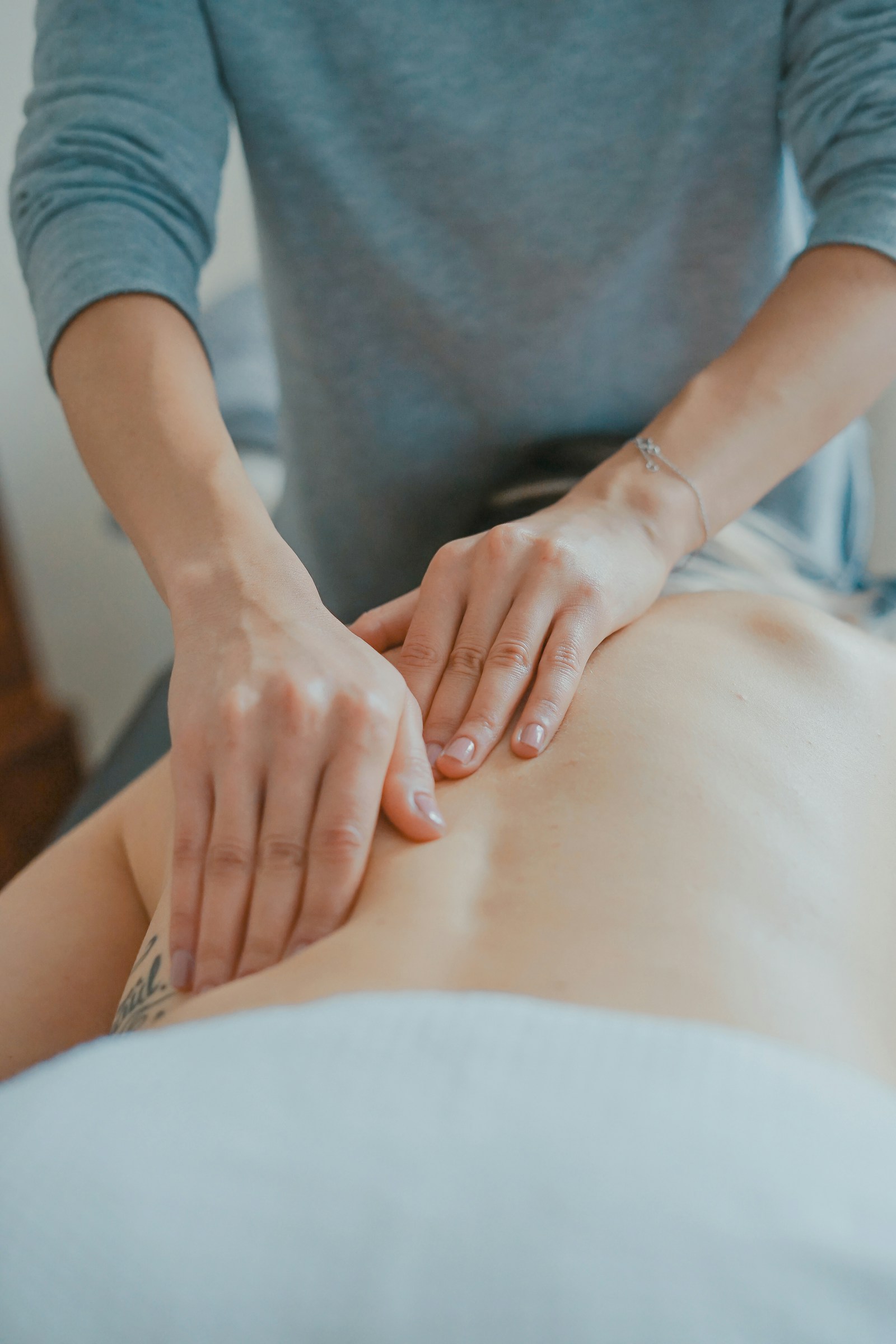
Massage therapy is more than relaxation. It supports circulation, recovery, and stress relief, and it is often covered by insurance. Yet it remains the most underestimated service in a rehabilitation clinic, booked as an occasional treat when it has earned a place in the plan. Here is what registered massage therapy actually does, how to use your benefits wisely, and how it fits alongside the rest of your care, drawn from what our RMTs see every day in Woodbridge.
More than relaxation
Registered Massage Therapy can ease muscle tension, improve circulation, and support recovery from injury or chronic pain. The distinction that matters is the R: a Registered Massage Therapist is a regulated health professional in Ontario, trained in assessment and treatment and accountable to a regulatory college, which is also why insurance plans cover RMT treatment and not spa services.
That training changes what happens on the table. An RMT is not simply working wherever feels tight; they are assessing which structures are involved, choosing techniques accordingly, and adjusting as the tissue responds. Relaxation still happens. A settling nervous system is part of the therapeutic effect, not a side benefit, but it happens inside a clinical frame, with a goal and a record of what worked.
What massage therapy helps with
The list is longer than most people expect. Tension-type headaches that begin at the base of the skull. The shoulder and neck stiffness that desk work manufactures by Friday afternoon. Low back tightness that guards an old injury. Post-training soreness in runners and gym-goers who ask a lot of their legs. Pregnancy-related discomfort, treated with positioning and techniques suited to each trimester. Many patients also find regular treatment can help with stress-related muscle tension and with sleep.
What massage does not do is replace strengthening when weakness is the underlying issue. It can calm and loosen what is overworked, which is often exactly what allows exercise-based care to progress. Knowing which job massage is doing in your plan is what separates strategic treatment from pleasant maintenance. Both are legitimate, but they should not be confused.
Planned around you
Whether you need deep tissue work, prenatal support, or stress relief, your therapist adjusts pressure and technique to your goals. A common myth worth retiring: deeper is not automatically better. Tissue responds to the right pressure, not the maximum tolerable one, and a skilled RMT finds that line with you, then keeps checking, because the right pressure on a guarded muscle in week one is not the right pressure in week four.
Communication is part of the treatment. Say so if the pressure is too much, too little, or a technique is not landing well. Nobody scores points for enduring, and the feedback makes the next session better.
Your first appointment, demystified
Expect a short health history and a conversation about what you want from treatment before anyone touches a muscle. You undress only to your comfort level and stay draped throughout; plenty of effective treatment happens through clothing when that is your preference. Your RMT will explain the plan for the session, check in on pressure as they work, and finish with a suggestion or two, such as a stretch, a heat routine or a desk adjustment, that extends the benefit into the rest of your week.
Afterward, drink water and expect the possibility of mild next-day soreness following deeper work. Mention it at your next visit; it is useful information, and the approach can be tuned so the after-effect fades while the benefit stays.
How often should you actually book?
For an active complaint, most RMTs recommend shorter intervals at first, weekly or biweekly, then stretching out as the tissue settles. For maintenance, every four to six weeks is a sensible rhythm for desk workers and athletes alike.
Your benefit year is a budget; a planned cadence spends it better than three emergency massages in December. Booking ahead also secures the appointment times that actually fit your life, which is half the battle for the commuters we treat from Maple and Kleinburg who want the early slot before Highway 400 fills up.
Insurance coverage, receipts and taxes
Many extended health plans cover massage therapy with an annual maximum, and most no longer require a doctor’s note, though check your booklet, because a minority of plans still do. We offer direct billing to most major insurers for eligible services, which means the claim is submitted at the front desk and you pay only what your plan leaves over.
Two practical notes. First, RMT receipts can count toward the medical expense tax credit and can be reimbursed through a Health Spending Account, so keep them even after your annual maximum runs out. Second, unlike physiotherapy, which is HST-exempt, massage therapy in Ontario currently has HST applied, so the tax appears on your receipt, worth knowing when you are pacing out a benefit year. If your plan does require a note, our primary care team can assess you at the same clinic and provide one where appropriate.
When massage joins a treatment plan
Massage works best alongside your physiotherapy or chiropractic care when you are recovering from an injury, loosening what is guarded so strengthening can do its job. A shoulder that will not tolerate its exercises on Monday often will on Thursday, once the muscles that were bracing it have been persuaded to stand down.
At AuraWell your RMT, physiotherapist and chiropractor share one plan under one roof in Vaughan, which means treatment notes travel down the hallway instead of getting lost between clinics. The coordination shows up in small ways: nobody re-explains their history three times, each discipline knows what the others did last week, and the plan moves as one plan rather than three. You should leave with less tension than you arrived carrying, and a clear idea of what comes next.
Relaxation massage or treatment massage?
Patients sometimes apologize for booking a massage that is just for stress, as if it needed a nobler excuse. It does not. Persistent stress keeps muscles in a low-grade state of readiness, and treatment aimed at settling that pattern is legitimate care with real carry-over into how you sleep, breathe and sit. The techniques simply differ: a relaxation-focused session uses slower, broader strokes and fewer interruptions, while a treatment-focused session spends concentrated time on specific structures and may include stretching or focused joint movement.
Tell your RMT which mode you need this week. The answer can honestly change between visits, and a good therapist plans each session around the body and the week you actually arrived with. Many long-term patients alternate between the two on purpose, and their benefit plan does not distinguish; both are RMT treatment on the receipt.
Quick answers
Do I need a doctor’s referral to see an RMT?
Not to receive treatment. You can book directly with a Registered Massage Therapist in Ontario. A small number of insurance plans still require a physician or nurse practitioner note before reimbursing, so check your benefits booklet before your first visit rather than after.
How long should a massage appointment be?
It depends on the goal. A focused problem like a stiff neck can often be treated well in a shorter session, while full-body work or multiple problem areas need more time. Your RMT can recommend a duration after the first assessment, and it can change as treatment progresses.
Why does my massage receipt show HST?
Massage therapy is currently a taxable service in Ontario, so RMTs are generally required to charge HST, unlike physiotherapy, which is HST-exempt. The receipt remains fully valid for insurance claims, Health Spending Accounts and the medical expense tax credit.
Related care at AuraWell
More questions patients ask
Does a massage receipt work for my benefits?
Yes, when the massage is given by a Registered Massage Therapist. Your receipt includes the RMT's registration number, which insurers require.
Is prenatal massage safe?
Prenatal massage by an RMT trained in supported positioning is a common choice in pregnancy. Tell your therapist how far along you are. See massage therapy.
Should I massage an injury myself first?
Gentle movement is fine, but for a new or worsening injury book an assessment first so the cause is identified before deep work begins.