Getting a Sick Note Online, Without the Stress
When you are unwell, the last thing you need is a crowded waiting room and a two-hour wait for a piece of paper. A short virtual visit lets you get a legitimate sick note from home, if appropriate, and get back to the only job that matters when you are sick: recovering.
The case for staying on the couch
Dragging yourself to a walk-in clinic while feverish helps nobody. It prolongs your day, exposes a waiting room full of people to whatever you have, and often ends with a rushed encounter that exists purely to produce a document. For a straightforward illness, a video appointment accomplishes the same clinical assessment without the bus ride, whether you are in Maple, Thornhill or anywhere else in Ontario.
There is a quieter benefit too. When the barrier to documentation drops, people stop working through illnesses they should be sleeping off. Rest earlier usually means back on your feet sooner, which is the outcome your employer actually wants, whatever the attendance policy implies.
What happens in the appointment
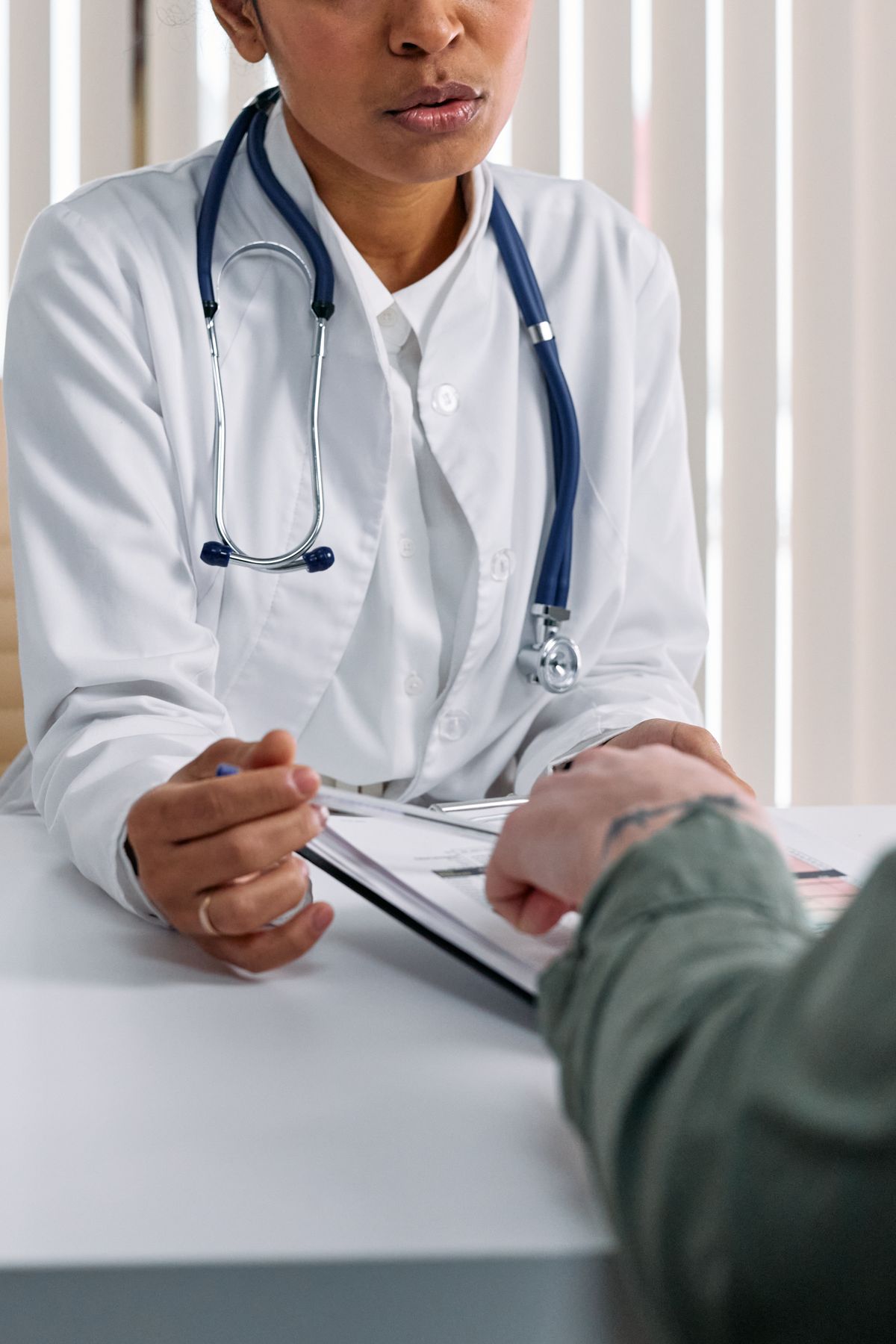
You book a virtual visit and speak with a licensed nurse practitioner about your symptoms, when they started, and how they are affecting you. The clinician assesses whether time off is warranted and for roughly how long, offers advice or treatment where appropriate, and, if a note is justified, issues it on clinic letterhead with their registration details. It arrives by secure delivery, often within hours.
That sequence matters more than it looks. A legitimate sick note documents a real clinical encounter with a regulated professional. It is not a purchase; it is the written record of an assessment, which is exactly why employers and schools accept it.
What separates a real note from a receipt
A wave of instant-certificate websites now promise documentation in minutes with no questions asked. Employers and HR departments have noticed, and some now scrutinize or reject notes with no clinician conversation behind them. A note worth having includes the assessment date, the clinician’s name and registration number, the recommended duration of absence, and a way for the employer to verify it came from a real clinic.
It should not include your diagnosis, and a good clinic will decline requests to certify an illness it never assessed, including backdating a note for last week. Those boundaries protect you: a document that cannot be questioned is one you never have to defend.
The test is simple. If a service would issue the note without ever speaking to you, the note is worth roughly what the conversation was. Five unhurried minutes with a clinician who asks real questions produces a document, and occasionally catches something that deserved more than a certificate, which is the part no form-filling website was ever going to do.
Privacy: what your employer sees, and what they never will
In Ontario, employers can generally request reasonable evidence of illness for sick days. What they receive is confirmation that you were assessed and that an absence was medically supported, along with expected duration and any functional limits relevant to your work. Your diagnosis, your symptoms and the content of your conversation stay between you and your clinician.
If your workplace uses its own form, or asks about modified duties, bring the document to the appointment. The clinician can complete it with you so the wording is accurate and nothing private leaks into an HR file where it does not belong.
When an employer can insist on a note
Ontario’s employment standards have tightened around this. For the short job-protected sick leave the province guarantees each year, employers are limited in demanding a certificate from a health practitioner, though they may still ask for other reasonable evidence, and workplace policies, collective agreements and longer absences often carry their own documentation rules. The safest read is your own contract or HR policy, not a general article.
In practice, many people request a note not because the law compels it but because it removes friction: it settles the question in one document, protects the relationship with a manager, and matters greatly if a short illness turns into a longer one and benefits paperwork follows. A note obtained during the illness is easy; reconstructing evidence weeks later is not.
Getting ready for the visit
Sick-note appointments are brief, so a minute of preparation goes a long way. Have your Ontario health card or identification ready, know your employer’s requirements if any were specified, and have the exact dates of your absence clear, including the first day you felt unwell. If a workplace or school form needs completing, upload or photograph it before the call.
Then describe your symptoms plainly, including anything you might be tempted to minimize. The assessment is confidential, and an accurate picture lets the clinician recommend the right duration the first time, rather than a too-short note that needs extending in three days.
School, insurance and other forms
The same appointment structure handles most absence paperwork: school and university medical certificates, daycare exclusion letters, fitness-for-work confirmations after an illness, and many insurer or employer forms. Longer documents, such as disability paperwork, need more of the clinician’s time and are usually quoted before the visit so there are no surprises.
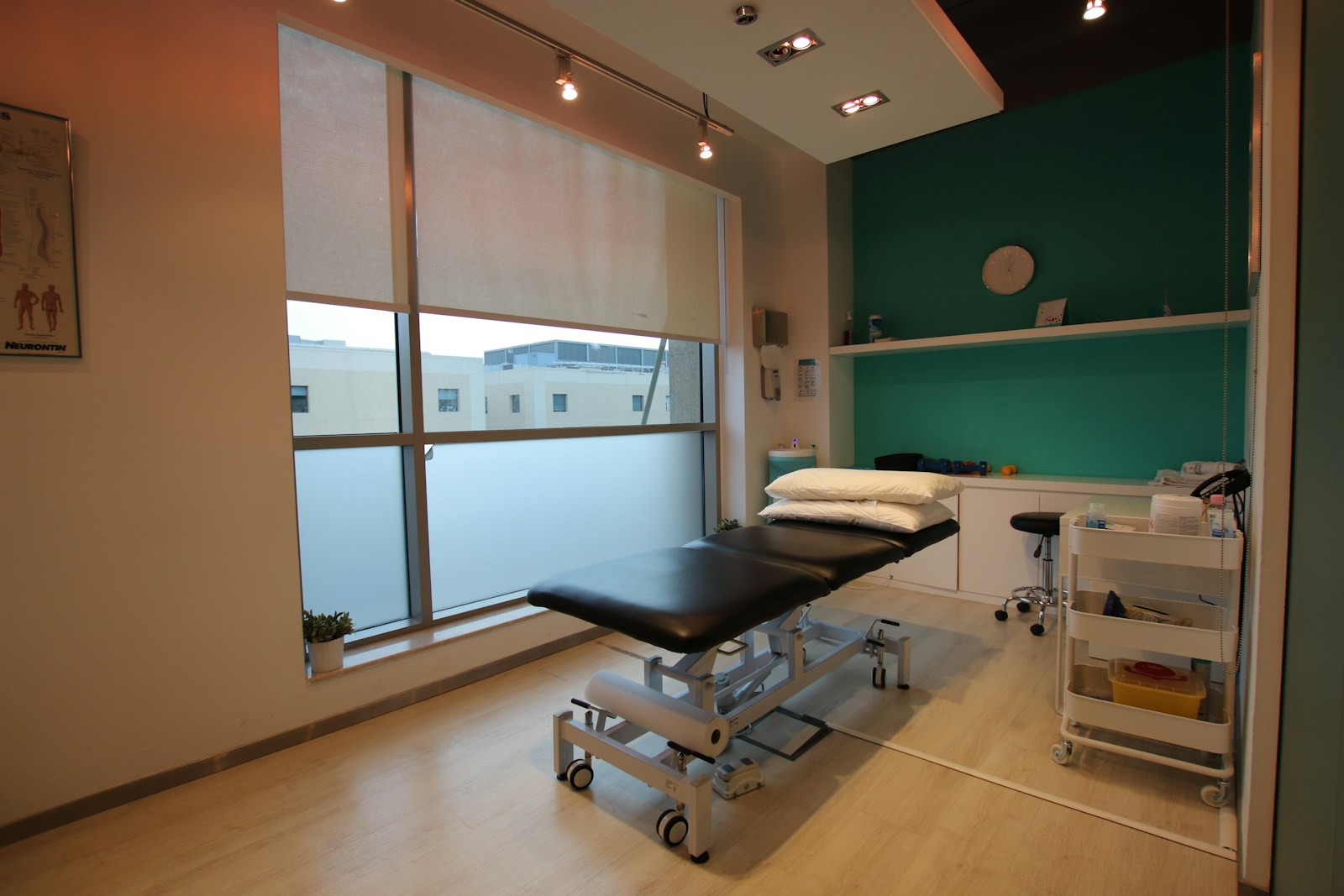
Where a form requires an examination, the clinic can see you in person instead. That flexibility, video when it is enough and hands-on when it is not, is what a clinic with a real address in Woodbridge can offer that a notes-only website cannot.
If you are not getting better
Most short illnesses resolve with rest and fluids. When one does not, the visit that produced your note becomes genuinely useful, because the clinician who assessed you can order tests, prescribe treatment, extend your documentation if recovery is slower than expected, or bring you in for an examination. Serving patients across Vaughan and, virtually, across Ontario, the goal is continuity: one record, one accountable clinician, and paperwork that follows the care instead of replacing it.
So take the note, silence the guilt, and rest. The inbox will survive without you. Recovery goes faster when it is your only assignment.
Quick answers
Can a nurse practitioner write a sick note in Ontario?
Yes. Ontario nurse practitioners are regulated primary care clinicians, and notes they issue after an assessment are accepted by employers and schools. The note carries the clinician’s name and registration details so it can be verified.
Does my employer get to know my diagnosis?
No. A sick note confirms you were assessed and medically supported in staying home, plus the expected duration. Your diagnosis and symptoms remain confidential between you and your clinician unless you choose to share them.
How do I get a sick note online?
Book a virtual visit at a time that suits you. When a note is clinically appropriate, it is delivered securely after the visit. If your illness continues, the same clinician can reassess you and extend the documentation rather than starting over.
Related care at AuraWell
More questions patients ask
Can I get a sick note for a past absence?
A clinician can only document what they assess. Notes for past dates depend on clinical judgement and what can be reasonably confirmed.
Does a sick note show my diagnosis?
A note normally confirms you were assessed and the dates you are unfit for work or school. You can ask that your diagnosis is not included.
Can a Nurse Practitioner complete return-to-work forms?
Yes, in most cases. Book a virtual visit and bring the form.