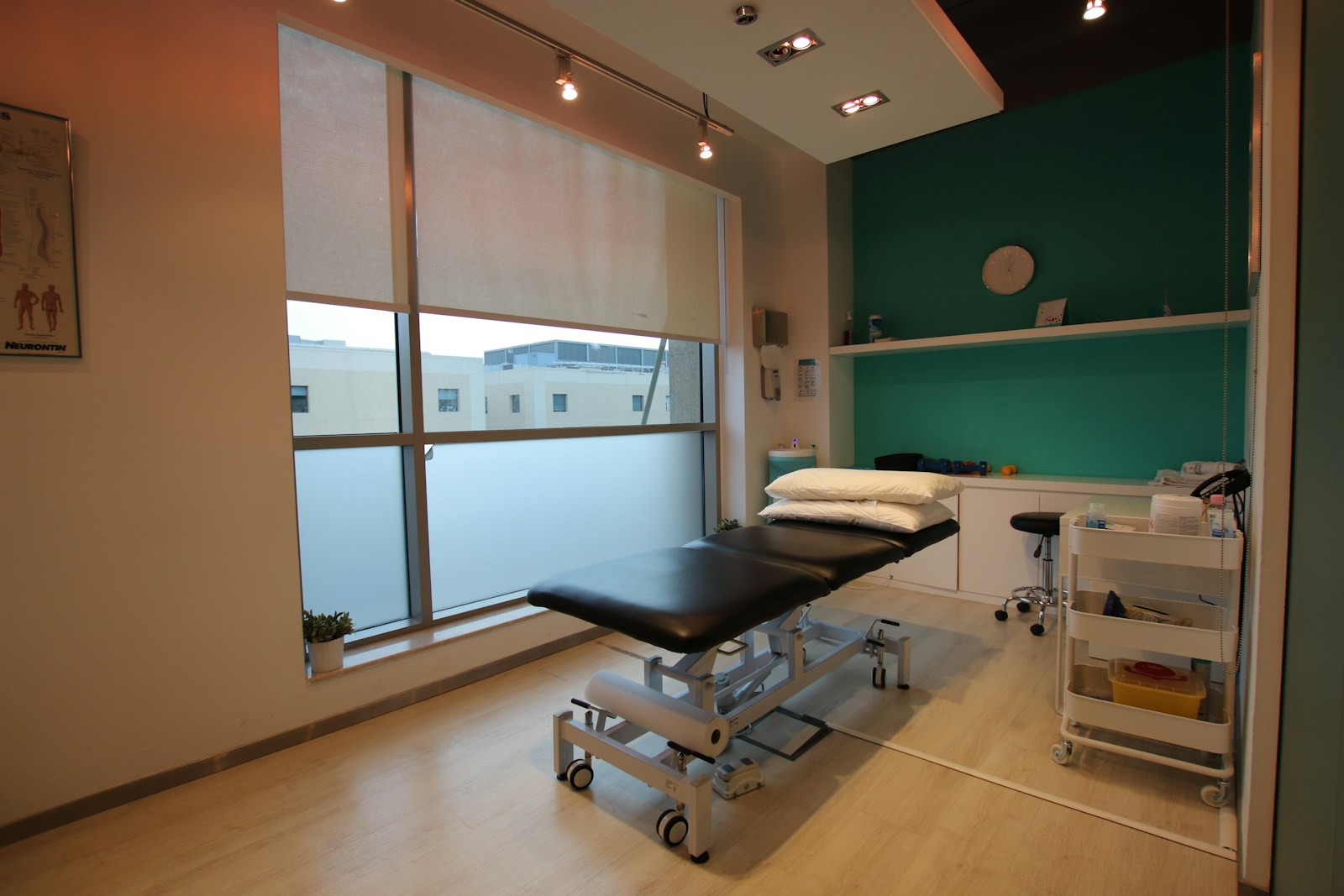
Testosterone Replacement Therapy: What to Know

Low testosterone can affect energy, mood, strength, and vitality, and it is one of the most searched men’s health topics in Ontario for a reason: the symptoms are real, common, and easy to misattribute. Testosterone replacement therapy, or TRT, can genuinely help the right candidate, and it is a poor answer for the wrong one. A clinician-guided assessment is how you find out which you are. Here is what men from Woodbridge, Vaughan, and the communities around them should know before starting therapy anywhere.
Recognizing the signs
Fatigue, low mood, reduced strength, poor concentration, and low libido can all point to low testosterone, but each of them also points to sleep debt, stress, thyroid conditions, iron deficiency, depression, sleep apnea, and a dozen other causes. Some men notice a slow loss of drive over years; others describe waking unrefreshed no matter how early they turn in, or workouts that no longer produce the results they used to.
None of these symptoms is specific, which is why blood work, not a symptom quiz, decides the question. The online questionnaires that score nearly every tired man over forty as a candidate are marketing funnels, not diagnostics. Symptoms open the conversation; laboratory values and clinical judgment finish it.
Age adds nuance rather than an answer. Testosterone tends to drift downward gradually through adult life, and a modest decline in a man in his fifties can be entirely ordinary. The clinical question is never simply whether your level is lower than it once was, but whether it is genuinely deficient and whether that deficiency plausibly explains how you feel. Those are two separate findings, and good care insists on both before treating either.
How low testosterone is properly diagnosed
Testosterone follows a daily rhythm, peaking in the early morning and declining through the day. A sample drawn in the afternoon can look deceptively low, which is why guidelines call for properly timed morning testing, and for repeating the test on a separate morning when the first result is borderline, since levels also vary day to day with illness, poor sleep, and stress.
A diagnosis of testosterone deficiency requires both pieces together: consistently low morning levels and symptoms consistent with them. One number without the other is not a diagnosis. A thorough workup also looks past testosterone itself: related hormones, blood counts, prostate-specific antigen where appropriate, thyroid function, and ferritin, because the goal is to explain your symptoms, not merely to find a prescribable number.
A clinician-guided approach
Our TRT program begins with comprehensive testing and an unhurried clinical consultation. Treatment is only initiated when clinically indicated. Booking a consultation is an assessment, not a prescription. If your levels are normal, the honest next step is finding what is actually driving your symptoms, and an NP-led clinic with primary care capabilities is equipped to do exactly that: sleep, thyroid, iron, mood, and metabolic health are all within reach of the same clinician who ordered your testosterone panel.
When therapy is appropriate, it comes with structure. Levels are rechecked after starting, the dose is adjusted to symptoms and labs together, and monitoring continues for as long as treatment does, typically including blood counts, since testosterone can thicken the blood over time, and prostate markers where age and history warrant. Many follow-ups suit virtual care once treatment is stable, which patients commuting from Richmond Hill and Thornhill tend to appreciate.
What treatment can look like
Testosterone can be replaced in several forms, and the right one is a conversation rather than a default. Injections are the most established route, given either at the clinic or self-administered at home once technique is taught; they are effective and economical, though levels rise and fall between doses, which some men feel. Daily gels deliver steadier levels through the skin and suit men who prefer to avoid needles, with the practical caveat that the application site must be kept from skin contact with partners and children until absorbed. Patches and other formulations exist as well, each with their own rhythm and trade-offs.
No single form is superior for everyone. What matters more than the vehicle is the follow-through: whichever form you start, your levels, your symptoms, and your blood counts should be reviewed on a schedule, and the dose or format changed when the picture says so. It is common to adjust in the first months. That is the process working, not failing.
It is also worth naming what TRT is not. It is not a treatment for tiredness with normal testosterone levels, it is not a shortcut to fitness in men whose levels are fine, and it is not something to source from unregulated online sellers, where the product, the dose, and the monitoring are all question marks. The therapy earns its good reputation only inside a monitored clinical relationship.
Fertility, and the other trade-offs worth understanding
This is the conversation too many clinics skip. Testosterone therapy signals the brain to reduce its own stimulation of the testes, which suppresses natural production and can markedly reduce sperm production while on therapy. For men who may want children, this matters enormously, and it deserves discussion before the first dose. Options exist, from preserving sperm beforehand to alternative medications that support natural production, and the right choice depends on your plans.
Other effects worth knowing: some men experience acne or oilier skin, fluid retention, or changes in mood as levels adjust. Stopping therapy abruptly tends to feel worse than never starting, because natural production takes time to recover. None of this argues against TRT for the right candidate; it argues for starting it with a clinician who monitors, adjusts, and remains reachable.
Questions to ask any TRT provider
Before starting therapy anywhere, whether here, in Toronto or online, ask these four questions:
- What were my actual numbers, and were they repeated on a second morning?
- What will be monitored once I start, and how often?
- What are the fertility implications while on therapy, and what are my options?
- What does the program fee include, and what is billed separately?
A provider who answers all four plainly is a provider you can stay with for years, which is the realistic time horizon of TRT. A provider who hurries past any of them is telling you something useful too.
Is TRT covered in Ontario?
The mechanics are worth understanding before you commit anywhere. Many private drug plans do cover prescribed testosterone, so the medication itself is often the most manageable part of the picture. Ask any provider for the full fee structure in writing: what the assessment includes, what monitoring costs, and what happens if you decide therapy is not for you. The blood work itself may be covered or not depending on who orders it and where it is drawn, which is another detail worth clarifying up front rather than discovering on a receipt.
Realistic expectations
Responses vary between men and build gradually over weeks to months. Libido and mood often shift before strength and body composition do, and anyone promising a fixed timeline is marketing, not medicine. Some men feel substantially restored; others notice a more modest change, particularly if something else was contributing to their symptoms all along.
Testosterone is also only one input into how a man feels. Sleep quality, weight, alcohol, activity, and metabolic health shape energy and mood at least as much as hormone levels do, and improving them can raise testosterone on its own. The men who do best on TRT are usually the ones treating it as one part of a broader plan rather than the whole answer, which is exactly how a multidisciplinary clinic is built to approach it. If sleep apnea is stealing your nights or your ferritin is scraping the bottom of the range, no dose of testosterone fixes that, and a clinic that can address all of it under one roof will serve you better than one that only writes the prescription.
It is equally realistic to expect the relationship to be ongoing. TRT is not a course you complete; it is a therapy you maintain, with periodic labs and honest check-ins about whether it is still earning its place. Some men eventually taper off with support. Others continue for years, feeling well and monitored. Both are good outcomes when they are chosen deliberately with a clinician rather than drifted into.
Quick answers
How do I know if I have low testosterone?
Symptoms like fatigue, low libido, and reduced drive raise the question, but only blood work answers it. Diagnosis requires a properly timed morning blood test, repeated when the result is borderline, together with symptoms that fit. Normal levels with real symptoms mean the cause lies elsewhere and deserves its own workup.
Does TRT affect fertility?
Yes. Testosterone therapy suppresses the body’s own production and can significantly reduce sperm production while on treatment. Men who may want children should discuss options such as sperm preservation or alternative medications before starting, not after.
How long does TRT take to work?
Responses vary and build gradually; mood and libido changes tend to come earlier, while strength and body composition shift over months. Be wary of any provider promising results on a set schedule. Regular follow-up is what keeps the dose right and the treatment safe.
Related care at AuraWell
More questions patients ask
What blood tests are needed before TRT?
Testosterone should be measured on at least two early-morning samples, along with tests such as a complete blood count, PSA and other hormones, depending on your history.
Can TRT be stopped later?
Yes, under supervision. Your own production may take time to recover, so stopping should be planned with your clinician.
How often is monitoring needed on TRT?
Blood work is usually repeated in the first months and then at regular intervals. See testosterone replacement therapy for how we monitor.