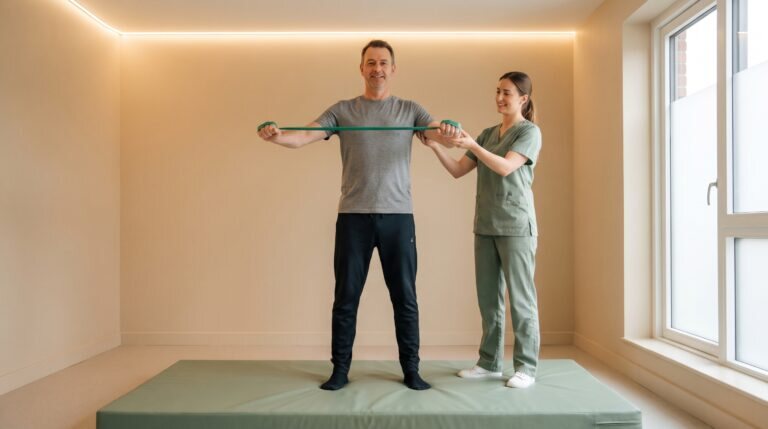
Physiotherapy for Knee Pain: Causes, Treatment and Timing
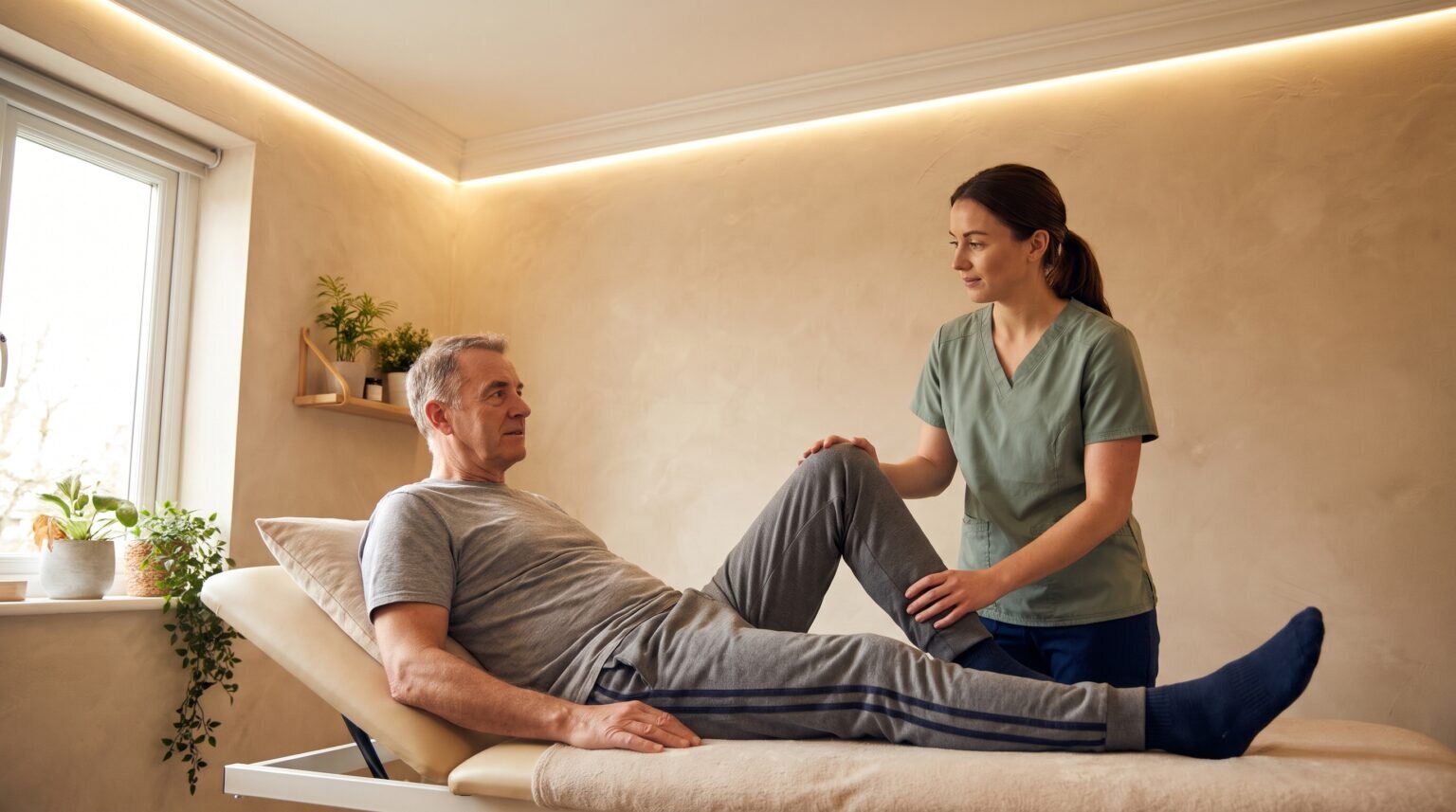
Physiotherapy helps most kinds of knee pain by finding what is overloading the joint, then building strength, mobility and control so the knee can handle daily life and sport again. It is a common first step for runner’s knee, arthritis, ligament sprains and recovery after knee surgery, and you can book it without a referral. Exercise is the core of treatment, with hands-on techniques and other modalities used where they help.
Below we explain the usual causes of knee pain, what a physiotherapy plan looks like, what you can do between visits and which symptoms need a doctor or emergency department first.
Common causes of knee pain physiotherapists see
Knee pain is rarely just “a bad knee”. The joint sits between the hip and the ankle, so how those areas move and how strong the surrounding muscles are both matter. Some of the most common reasons people book include:
- Pain around or behind the kneecap. Often called runner’s knee or patellofemoral pain, it tends to flare on stairs, squats and after long periods of sitting.
- Osteoarthritis. Stiffness and aching that build with activity, more common from middle age onward.
- Tendon pain. Patellar tendinopathy, sometimes called jumper’s knee, causes pain just below the kneecap with jumping, running or kneeling.
- Ligament and meniscus injuries. A twisted landing in soccer, basketball or skiing can strain a ligament or tear a meniscus.
- Recovery after surgery. Ligament reconstruction, meniscus repair and knee replacement all need structured rehabilitation.
What happens in a physiotherapy assessment
Your physiotherapist starts with your story: how the pain began, what makes it worse, what you want to get back to and any past injuries or surgery. The examination usually looks at:
- Swelling, range of motion and how the kneecap moves
- Strength in the thigh, hip and calf muscles
- Ligament and meniscus tests where an injury is suspected
- How you walk, squat, step down and balance on one leg
You should leave the first visit with a plain explanation of what is likely going on, a starting exercise program and a realistic idea of how many visits to expect. At AuraWell, the initial physiotherapy assessment runs 60 minutes and includes your first treatment.
How physiotherapy treats knee pain
Strength and control
Strengthening the quadriceps, hip and calf muscles takes load off irritated structures and is the backbone of most knee plans. Exercises start at a level your knee tolerates and progress over weeks. For knee osteoarthritis, exercise is one of the most effective treatments available, and it is adjusted so it does not trigger flare-ups.
Mobility and hands-on care
Manual therapy for the joint and surrounding soft tissue can ease pain and stiffness, particularly early on or after surgery, so you can move and exercise more comfortably.
Load management
Many knee problems come from doing too much, too soon: a sudden jump in running distance, a new gym program or a busy hockey season. Your physiotherapist helps you adjust training, footwear and daily habits rather than simply telling you to rest.
Return to sport and work
Before you go back to running, cutting or heavy lifting, your physiotherapist tests strength, hopping and balance so the decision is based on how the knee performs, not only on whether it hurts.
Some clinics add modalities such as shockwave therapy for stubborn tendon pain or laser therapy when it is clinically appropriate. These support an exercise plan; they do not replace it.
How long knee physiotherapy takes
Timelines depend on the cause, how long the pain has been there and your goals. A recent strain or flare of kneecap pain often needs a shorter course, while tendon problems and osteoarthritis usually respond to a longer, steady program because tendons and joints adapt slowly. After surgery, rehabilitation typically runs over several months, in stages set by your surgeon’s protocol.
Your physiotherapist should give you an honest estimate after the first visit and measure progress against things that matter to you, such as climbing stairs without holding the rail, kneeling, running a set distance or getting through a shift on your feet. As you improve, visits are spaced out and more of the work moves to your home program.
Recovering after knee surgery
After a ligament reconstruction or joint replacement, your physiotherapist follows your surgeon’s protocol, restores range of motion safely and rebuilds strength in stages. Extended 60-minute rehab sessions suit these more complex recoveries. Bring your surgical notes and hospital instructions to the first visit so the plan matches what your surgeon expects.
What you can do between visits
- Do your home exercises little and often; consistency matters more than intensity
- Keep active with knee-friendly options such as cycling, swimming or walking on flat ground
- Use ice or heat for comfort and short-term relief
- Build training volume gradually rather than in sudden jumps
- Keep a healthy body weight where you can, since every step loads the knee
Pain during exercise is not always a sign of harm. Your physiotherapist will show you what level of discomfort is acceptable and when to ease off.
When knee pain needs medical care first
See a doctor, Nurse Practitioner or emergency department promptly, rather than starting with physiotherapy, if you have:
- A knee that is hot, red and swollen, especially with fever or feeling unwell
- An injury after which you cannot bear weight or the knee looks deformed
- A knee that locks and will not straighten
- Calf pain, swelling or warmth, particularly after surgery or a long flight
- Numbness, tingling or weakness spreading down the leg
At AuraWell, our Nurse Practitioners work in the same clinic, so if your assessment raises a medical question, or imaging would help, it can be arranged without starting again elsewhere.
Cost, insurance and booking in Woodbridge
Physiotherapy at AuraWell is private-pay and is not billed to OHIP. The initial assessment is $135 for 60 minutes, follow-up treatments are $110 for 45 minutes and extended rehab sessions are $150 for 60 minutes. Most extended health plans include physiotherapy, direct billing may be available depending on your plan, and the receipt shows the registered physiotherapist so you can claim it. See our insurance page for how claims work.
Knee pain sometimes travels with hip or back problems, or with tight muscles that respond to registered massage therapy. If your back is part of the picture, our guide to physiotherapy for sciatica may also help.
Book your physiotherapy assessment or call 905-207-7000. Our clinic is at 4600 Hwy 7, Unit 105, in Woodbridge, a short drive from anywhere in Vaughan.
Frequently asked questions
How do you recover from a knee injury?
Protect the knee for the first few days, then start gentle movement and progressive strengthening as pain allows. A physiotherapist can check for ligament or meniscus damage and set a step-by-step plan for returning to work and sport.
How can I improve knee strength?
Strengthen the quadriceps, hamstrings, hips and calves with exercises such as sit-to-stands, step-ups, bridges and calf raises, increasing the difficulty gradually. Doing them a few times a week, every week, matters more than doing a lot at once.
How can I avoid a knee injury at the gym?
Warm up first, raise weights and volume gradually, and keep good form on squats and lunges with the knee tracking over the middle of the foot. Stop and get it checked if a movement causes sharp pain, swelling or a feeling that the knee gives way.
What exercises help repair knee cartilage?
Exercise cannot regrow cartilage, but strengthening the muscles around the joint and low-impact activity such as cycling and swimming can reduce pain and improve function. Your physiotherapist will tailor the program to your knee and adjust it if it flares.
What is the #1 mistake that makes bad knees worse?
A common mistake is stopping all activity, which weakens the muscles that protect the joint. The opposite mistake, a sudden jump in running, jumping or training load, also causes flare-ups; steady, gradual activity is usually kinder to sore knees.
Can you rebuild lost cartilage in your knee?
Adult knee cartilage has very limited ability to repair itself, and no exercise or supplement has been shown to rebuild it. The good news is that pain and function often improve a great deal with strengthening, weight management and activity changes even when cartilage has thinned.