Does Acupuncture Work? Evidence, Limits and What to Expect

Acupuncture does work for some people and some conditions, most clearly for certain kinds of chronic pain, tension-type headaches and migraine prevention. Research suggests its benefits are real but often modest, they vary from person to person, and some of the effect may come from the treatment experience itself rather than the exact needle points. It is not a cure-all, and it works best as part of a wider plan rather than on its own.
This guide sets out what acupuncture is, where the evidence is stronger and weaker, what sessions feel like, and who should be cautious.
What acupuncture is
Acupuncture involves placing fine, sterile, single-use needles at specific points on the body. Traditional practice describes these points in terms of energy pathways. Western research tends to explain the effects through the nervous system: needling may change how pain signals are processed and prompt the body to release its own pain-relieving chemicals. Both descriptions are used in clinics today, and you can ask your practitioner how they approach it.
What the research says
Acupuncture is one of the more studied complementary therapies. It is also hard to study well, because it is difficult to create a convincing fake treatment for comparison. Broadly, the research picture looks like this:
- Stronger support: chronic low back pain, neck pain, knee osteoarthritis pain, tension-type headaches and reducing how often migraines occur. In these areas, research suggests acupuncture can help more than usual care alone for some people.
- Mixed or limited support: sleep, stress, nausea and some other conditions, where results vary between studies.
- Little or no support: curing infections, replacing medical treatment for serious illness, or “detox” claims.
A recurring finding is that real acupuncture often does better than no treatment, and sometimes only a little better than sham needling. That is why honest practitioners describe it as one useful tool, not a certain fix. Our guide to acupuncture for back pain and migraines looks at those two uses in more detail.
What a session feels like
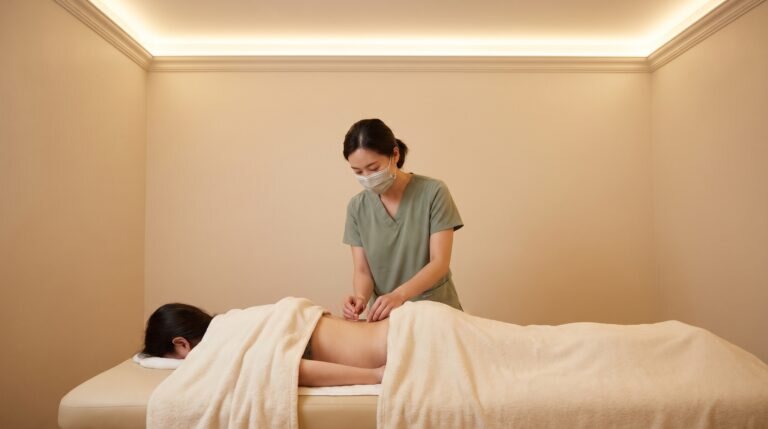
Your first visit starts with a review of your health history, medications and the concern that brought you in, including questions about sleep, stress and energy. Your practitioner explains the plan before any needle is placed.
The needles are about the width of a hair. Most people feel a brief prick or nothing at all, sometimes followed by a dull ache, warmth or heaviness around the point. Areas with less padding, such as the hands, feet and around the nails, tend to feel more noticeable. You then rest while the needles stay in place for about twenty to thirty minutes, and many people find this part deeply relaxing.
How many sessions it takes
Most people start with weekly sessions for a short course, then space visits out if things improve. Some notice a change after the first few sessions; others need longer. If you have had several sessions with no change at all, it is reasonable to review the plan with your practitioner and consider other options, such as physiotherapy or a medical review.
Who should be cautious
Acupuncture from a trained practitioner using sterile, single-use needles is generally considered low risk. Minor bruising, brief soreness or light-headedness are the most common effects. Tell your practitioner before treatment if you:
- Are pregnant or trying to become pregnant
- Take blood thinners or have a bleeding disorder
- Have a pacemaker or another implanted electrical device
- Have a weakened immune system or skin infection near the treatment area
- Feel faint around needles
Acupuncture should not delay medical care. New or unexplained symptoms, such as chest pain, sudden severe headache, weakness, unexplained weight loss or fever, need a medical assessment first.
After your session
You may feel calm, a little tired or energized afterwards, and you can usually return to normal activities. Many practitioners suggest avoiding a very heavy workout, alcohol or a large meal straight after, drinking some water and noticing how you feel over the next day or two so you can report back at the next visit.
Alternatives and combinations
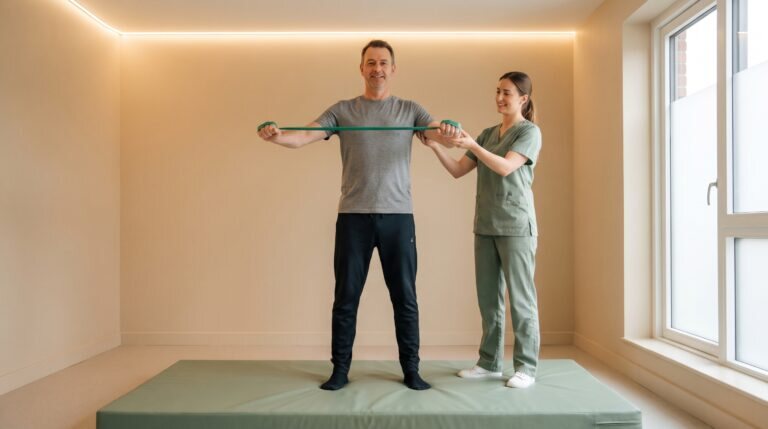
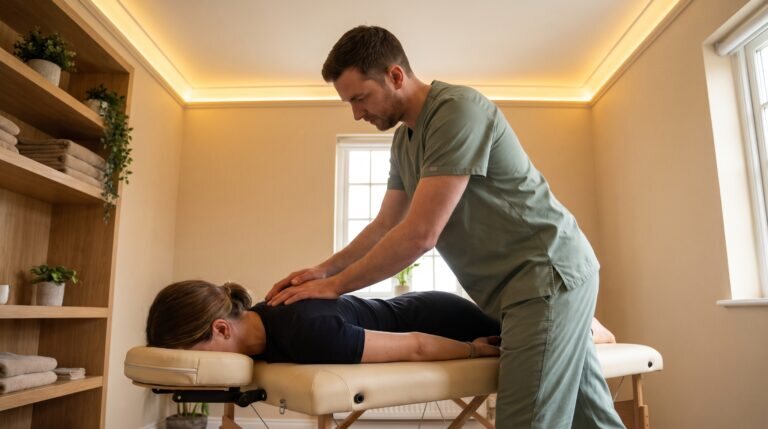
For pain, acupuncture is often combined with exercise-based physiotherapy or registered massage therapy. For stress and poor sleep, a primary care review with a Nurse Practitioner can check for medical causes. If needles are not for you, massage, physiotherapy, chiropractic care and regular exercise are all reasonable alternatives to discuss.
How to choose an acupuncture practitioner
In Ontario, acupuncture is provided by registered acupuncturists and traditional Chinese medicine practitioners, and by some other regulated professionals, such as physiotherapists and chiropractors, who have additional training. Before booking, it is reasonable to ask:
- What training and registration do you hold for acupuncture?
- Do you use sterile, single-use needles every time?
- How will we judge whether it is working, and after how many sessions?
- Will my extended health plan reimburse your services?
A practitioner who explains what to expect, is honest about the limits of the evidence and suggests a medical review when something does not add up is a good sign.
Getting the most from a trial
Before you start, write down what you want to change, such as pain on a scale of 0 to 10, how far you can walk or how many headache days you have each month. Note it again every week or two. That simple record makes it much easier to decide with your practitioner whether to continue, change the approach or try something else.
Acupuncture at AuraWell
At our clinic on Highway 7 in Woodbridge, acupuncture is provided in a calm, private room by a trained practitioner, with our NP-led medical team in the same clinic. The initial assessment is $120 for 60 minutes and follow-up sessions are $95 for 45 minutes. OHIP does not cover acupuncture. Some extended health plans cover it on its own, others only when it is delivered within physiotherapy or chiropractic care, so check your plan’s wording. We offer direct billing for acupuncture where your plan allows it; see our insurance page.
Book your acupuncture assessment or call 905-207-7000. Wear loose clothing that rolls up above the elbows and knees.
Frequently asked questions
Is acupuncture good for anything?
Research suggests it can help some people with chronic back, neck and knee pain, tension-type headaches and reducing migraine frequency. Evidence for many other uses is mixed, so it is best seen as one tool within a wider plan.
What are the alternatives to acupuncture?
For pain, alternatives include exercise-based physiotherapy, registered massage therapy, chiropractic care and staying active. For stress or poor sleep, a medical review, sleep habits and talking therapy are options worth discussing with a clinician.
Who should not use acupuncture?
People with a bleeding disorder or on blood thinners, those with a pacemaker or a skin infection at the treatment site, and anyone pregnant should speak to the practitioner first so treatment can be adapted or avoided. People who faint around needles should mention it too.
Where does acupuncture hurt the most?
Points on the hands, feet, fingertips and around the nails tend to be the most noticeable because those areas have less padding and more nerve endings. Points in larger muscles such as the back and thighs are usually barely felt.
How many times do you need to do acupuncture to see results?
Many people notice whether it is helping within a few weekly sessions, while longer-standing problems can take more. If there is no change after a fair trial, review the plan with your practitioner rather than continuing indefinitely.
What shouldn't you do after acupuncture?
It is sensible to skip a very hard workout, heavy drinking or a large meal right after a session and to stand up slowly if you feel light-headed. Most people can go back to work and normal routines the same day.
Is acupuncture covered by insurance?
Many extended health plans include it, but some only pay when acupuncture is part of physiotherapy or chiropractic treatment. Check the wording in your plan booklet, and keep the receipt from each visit for your claim.