Osteopath vs Physiotherapist: Which One Fits Your Pain?
Osteopathic manual practitioners and physiotherapists both treat pain and stiffness with their hands, but they lead with different tools. Physiotherapy puts assessment and progressive exercise at the centre and is a regulated profession in Ontario; manual osteopathy relies mainly on gentle, whole-body hands-on techniques and is not government-regulated here. If you need rehabilitation, a return to sport or a structured strengthening plan, start with physiotherapy; if you want slow, gentle treatment for long-standing tension and postural aches, osteopathy may suit you.
This guide explains how the two compare, why osteopathy is sometimes questioned, and how to choose for back, neck and leg pain.
Training and regulation in Ontario
Physiotherapists complete university training and must be registered with their regulatory college to practise in Ontario. They can assess and treat without a referral, and their scope includes rehabilitation after surgery, sports injuries and workplace or motor vehicle claims.
In Canada, “osteopath” usually refers to an osteopathic manual practitioner, trained in manual therapy through a private program. Manual osteopathy is not a regulated health profession in Ontario, so practitioners rely on membership in a professional association. Osteopathic physicians (DOs), who are medical doctors, are a separate and much smaller group. Before you book, ask a practitioner about their training and association, and check that your insurer recognizes it.
How treatment differs
Physiotherapy
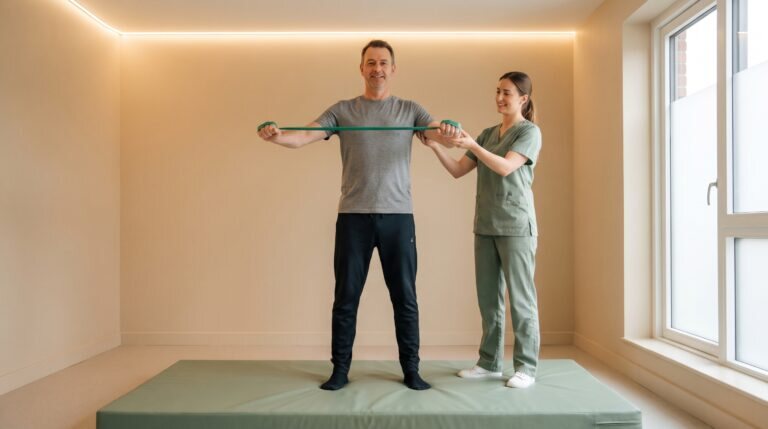
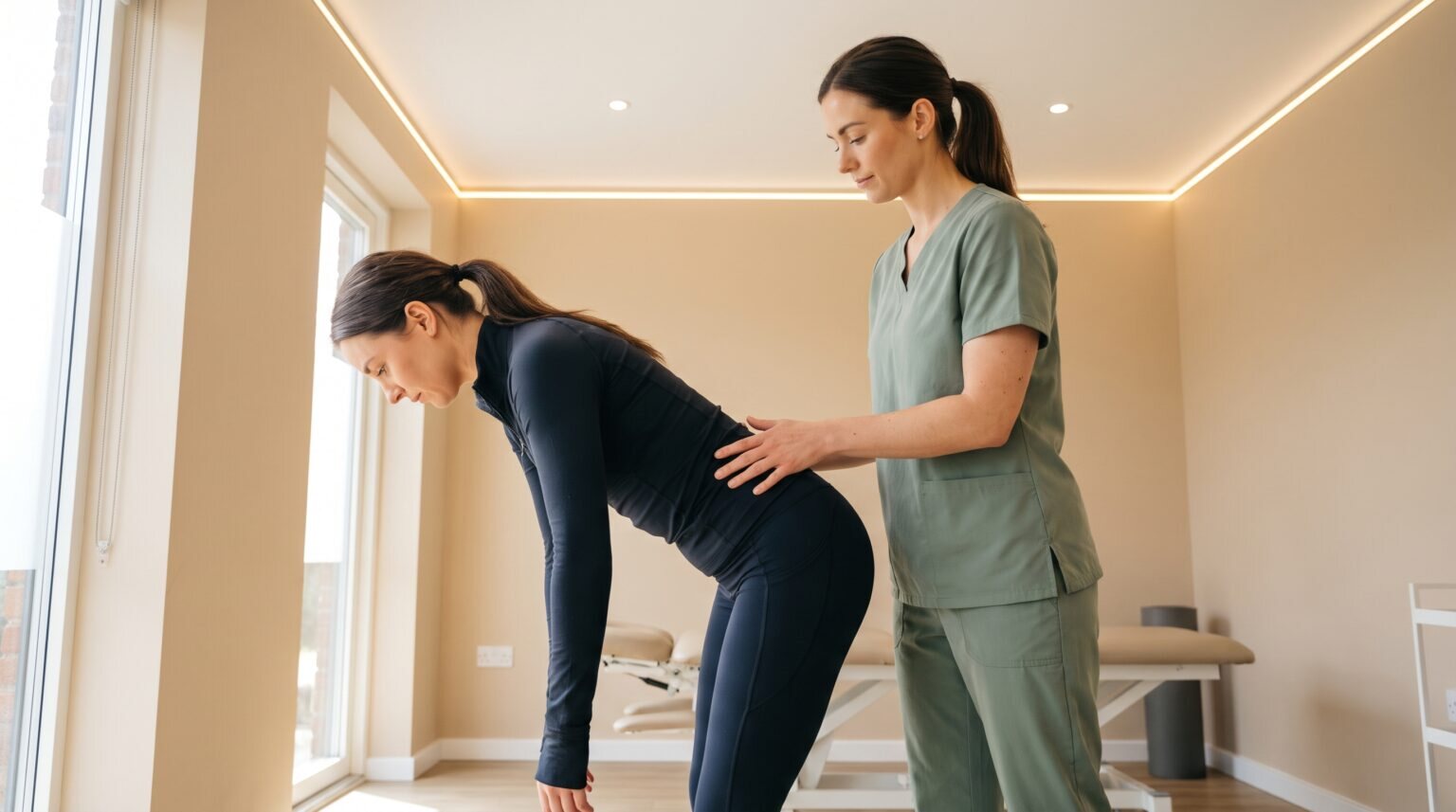
A physiotherapist examines movement, strength, joints and nerves, then builds a plan around exercise. Hands-on joint and soft-tissue work is used to ease pain and help you move, alongside modalities such as shockwave or laser therapy when appropriate. You leave each visit with things to do at home, and the aim is to need fewer visits over time.
Osteopathy
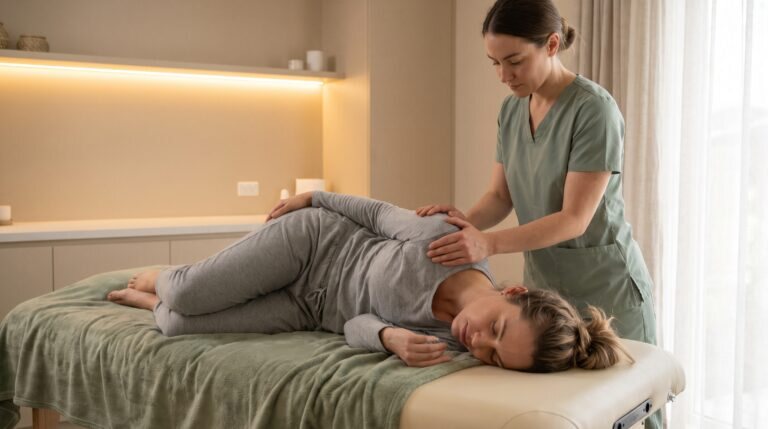
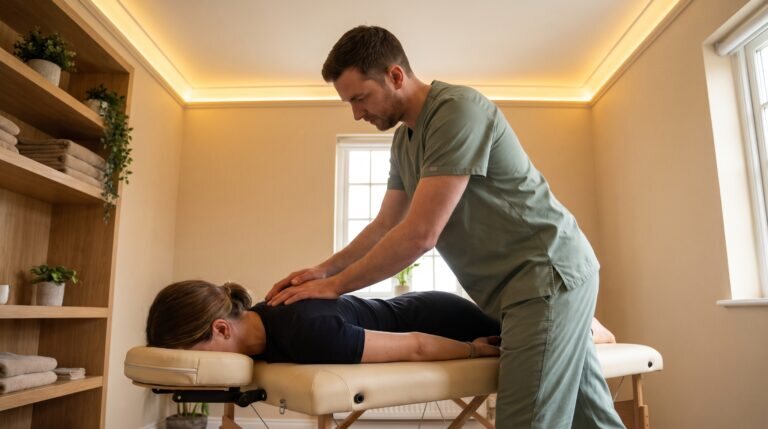
An osteopathic manual practitioner treats the body as one connected system. Sessions use slow, precise techniques such as soft-tissue release, joint articulation, muscle energy techniques and myofascial work, with you comfortably clothed. Many people find them relaxing. Sessions usually end with simple advice on posture, movement or stretches.
Why some people question osteopathy
Osteopathy attracts debate for two reasons. First, some techniques taught in osteopathy, such as cranial approaches, rest on theories that research has not supported well. Second, because the field is not regulated in Ontario, training and standards vary from one practitioner to another.
That does not make hands-on treatment worthless. Research suggests manual therapy can ease pain and stiffness for some people with back and neck problems, particularly when it is combined with exercise and staying active. A practitioner who is open about what the evidence does and does not show, and who refers you on when something needs medical attention, is a good sign.
Which is better for your problem?
- Low back pain: both are used. Physiotherapy is a strong choice when you need to rebuild strength and confidence; osteopathy suits people who want gentle treatment or have found firmer techniques uncomfortable.
- Neck pain and tension headaches: osteopathy works on tension in the neck, jaw and shoulders; physiotherapy adds strengthening and workstation changes.
- Sciatica: start with an assessment that checks the nerve, which a physiotherapist does routinely. Our guide to physiotherapy for sciatica covers this and the warning signs that need emergency care.
- Sports injuries and surgery: physiotherapy, following your surgeon’s protocol where relevant.
- Pregnancy-related aches: both can help with adapted positioning; tell the clinic how far along you are when you book.
Many people use both. A common pattern is osteopathic treatment to ease tension alongside a physiotherapy exercise program, with the two clinicians working from the same plan.
What a combined plan can look like
For a desk worker with long-standing neck and upper back pain, a plan might start with an osteopathy session to ease tension and a physiotherapy assessment to check movement and strength. Over the following weeks, physiotherapy builds a short home program for the deep neck and shoulder muscles, while osteopathy sessions are spaced further apart as things settle. Both clinicians review progress against the same goals, such as working a full day without pain or turning your head comfortably to check a blind spot.
The same idea works the other way. Someone recovering from a back injury might lead with physiotherapy and add a few osteopathy sessions when tension makes exercise uncomfortable.
Questions to ask any practitioner
- What is your training, and are you registered with a college or a professional association?
- What do you think is causing my pain, and how will we know if treatment is working?
- How many visits should I expect, and when will we review the plan?
- What can I do at home between visits?
- When would you send me to someone else?
When to see a medical clinician first
Hands-on treatment is not the right first step if pain comes with new numbness or weakness, loss of bladder or bowel control, numbness around the groin or inner thighs, fever, unexplained weight loss, or follows a significant fall or accident. Bladder or bowel changes and saddle numbness need an emergency department the same day.
Osteopathy and physiotherapy at AuraWell
At AuraWell in Woodbridge, osteopathy is provided by Amir Hossein Yazdani, an osteopathic manual practitioner with more than 18 years in physical medicine and rehabilitation. Physiotherapy in Woodbridge and Vaughan is provided by registered physiotherapists. Both work in an NP-led clinic, so anything that needs a medical eye can be seen by our Nurse Practitioners in the same building.
Your first visit with either clinician runs about an hour and includes a history, an assessment and your first treatment. Wear comfortable clothing you can move in, and bring any imaging reports, surgical notes and a list of your medications. If you are not sure which to book, call the clinic and describe your symptoms; the team can suggest where to start and adjust the plan after the first visit.
- Osteopathy: initial assessment $130 for 60 minutes; follow-up $110 for 45 minutes
- Physiotherapy: initial assessment $135 for 60 minutes; follow-up $110 for 45 minutes
Neither is billed to OHIP. Most extended health plans include physiotherapy, and many include osteopathic manual practitioners, sometimes with separate yearly limits. We offer direct billing for both where your plan allows it; see our insurance page and our guide to OHIP and benefits coverage in Ontario.
If you are also considering a chiropractor, our comparison of chiropractor vs physiotherapist may help.
Book your osteopathy or physiotherapy assessment or call 905-207-7000. No referral is needed for either.
Frequently asked questions
Which is better, an osteopath or a physiotherapist?
It depends on what you need. A physiotherapist is the usual choice for rehabilitation, sports injuries and strengthening, while an osteopathic manual practitioner suits people who want gentle hands-on work for long-standing tension. Some people benefit from both.
Why would someone see an osteopath?
People often see an osteopathic manual practitioner for chronic back or neck pain, postural strain, tension headaches, jaw tension or pregnancy-related aches. Many choose it because the techniques are slow and low-force.
Why are osteopaths controversial?
Some osteopathic theories, such as cranial techniques, have little research support, and manual osteopathy is not regulated in Ontario, so training varies. Critics also point to claims that go beyond the evidence, which is why honest, evidence-aware practitioners matter.
Is osteopathy legit in Canada?
Osteopathic manual therapy is widely available in Canada and included in many benefit plans, but in Ontario it is not a regulated health profession. Check a practitioner's training and association, and whether your insurer recognizes it, before booking.
Should I see an osteopath or physio for sciatica?
Start with an assessment that examines the nerve, strength, reflexes and sensation, which physiotherapists do routinely. Gentle osteopathic treatment can be added for comfort, and any bladder or bowel change or groin numbness needs emergency care.
Is an osteopath or physio better for neck pain?
Both can help. Osteopathy focuses on easing tension in the neck, jaw and shoulders, while physiotherapy adds strengthening for the deep neck muscles and workstation changes. Neck pain after an accident or with arm weakness should be medically assessed first.